
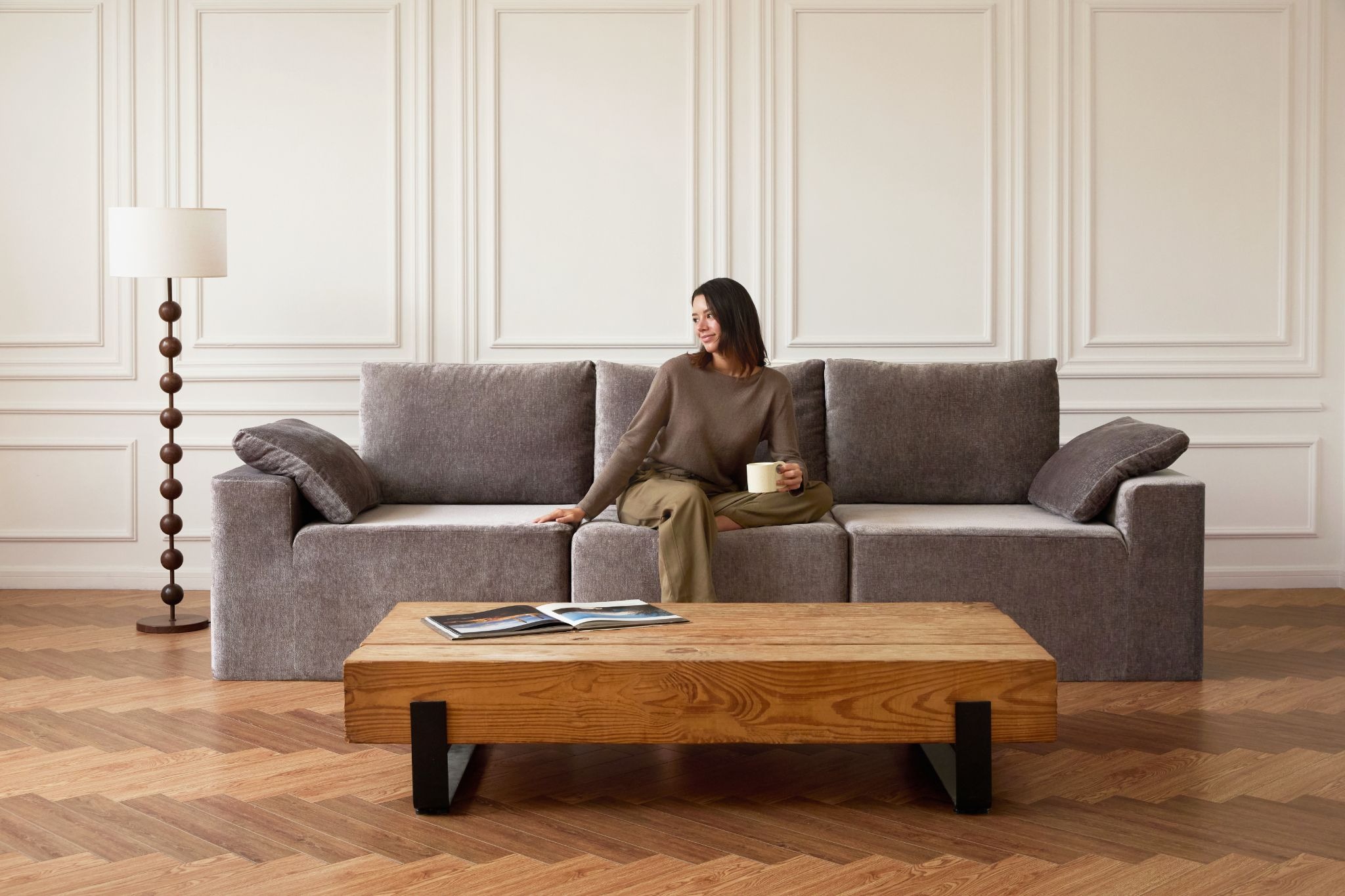
One of the most important things to consider when buying furniture is how long a couch will actually last. A sofa is a significant investment, so having realistic expectations around its lifespan can help you make smarter long-term choices. This guide breaks down the average lifespan of a sofa, the key factors that affect durability, and simple ways to extend its life so it stays comfortable and functional for years.
Average Couch Lifespan
Budget couches last 3 to 5 years. Cheaper sofas under $500 don't hold up well with daily use. The frames weaken, cushions flatten, and fabrics wear out super quickly.
Mid-range couches last 7 to 10 years. Quality sofas in the $700 to $1,500 range like those from West Elm, Sabai, and Anabei provide solid construction that handles normal family use for nearly a decade.
High-end couches last 15+ years. Premium sofas over $2,000 can last decades when treated carefully.
Real lifespan varies by use. A couch in a kid-free home lasts way longer than one used daily by multiple children and pets. (Heavy use shortens any couch's life no matter how much you spend.)
Knowing how long a sofa should last helps you match your expectations to your budget, ensuring you get durability that aligns with what you’re paying.
What Affects How Long a Couch Lasts
Frame Quality
Solid hardwood and steel frames last longest. These frames last decades without weakening.
Engineered wood works for mid-range. Plywood offers decent strength at lower prices but doesn't last as long.
The particle board fails quickly. Cheap particle board frames break down fast, often within just a few years.
Cushion Quality
High-density foam keeps its shape. Quality foam stays supportive for years without flattening completely.
Cheap foam flattens fast. Low-density foam compresses permanently within months, making couches uncomfortable way too soon.
Fabric Durability
Performance fabrics resist wear. Materials designed to resist staining and fading last way longer than regular fabrics.
Cheap fabrics pill and tear. Budget materials break down quickly, getting annoying little fabric balls and tears within just a couple years.
Anabei’s performance fabrics are designed to resist stains and are fully machine-washable, making everyday upkeep simple and helping extend the life of your sofa with minimal effort.
How Long Should a Couch Last by Usage
Light Use (Guest Rooms)
Expected lifespan: 15 to 20+ years
Couches that rarely get used last way longer. A guest room sofa gets occasional sitting rather than constant use.
Moderate Use (1-2 People)
Expected lifespan: 10 to 15 years
Regular use by one or two adults without kids or pets is moderate wear. Quality mid-range couches handle this well for a decade or more.
Heavy Use (Kids, Pets)
Expected lifespan: 5 to 10 years
Daily use by multiple people including children and pets shortens lifespans a lot. (Even quality couches show wear faster with heavy family use happening constantly.)
Sofas with machine-washable, interchangeable covers are designed to stay looking fresh for years, even in high-traffic households. By allowing you to easily clean or replace the fabric, brands like Anabei, Lovesac, and Diorama help extend the life of the sofa through everyday use.




Signs Your Couch Needs Replacing
Knowing when a couch is done helps decide between repair and replacement.
Sagging cushions that don't bounce back. If cushions stay flat even after fluffing, the foam has failed permanently.
Visible frame damage or wobbling. Broken frames, wobbly legs, or structural issues mean the couch is done.
Permanent stains or bad smells. Stains and smells that won't come out mean the couch has absorbed too much over the years.
Torn or heavily worn fabric. Rips, tears, or fabric worn completely through mean the upholstery is finished.
If your couch shows multiple signs, replacement makes more sense than trying to fix problems that keep getting worse. Keep in mind that some modular sofas allow individual components to be repaired or replaced, meaning you may only need to swap out the affected piece rather than replace the entire sofa.
How to Extend Your Couch Lifespan
Simple maintenance can significantly increase how long a sofa lasts, keeping it looking fresh and comfortable well beyond the average.
Regular Cleaning
Vacuum weekly. Remove dirt and crumbs that grind into fabric and cause wear.
Wash covers regularly. Machine-washable covers should be washed every few months to prevent buildup.
Spot clean spills immediately. Clean spills right away to prevent permanent staining.
Proper Use
Rotate cushions regularly. Flip and rotate cushions every few months so wear spreads out evenly.
Don't jump on furniture. Kids jumping on couches break down frames and cushions way faster.
Keep pets off when possible. Pet claws scratch and tear fabrics while pet oils speed up wear a lot.
Avoid eating on the couch. Food crumbs attract pests and cause stains.
Protection
Use throws and covers. Washable throws protect high-wear areas like armrests.
Keep away from direct sunlight. Depending on the fabric, UV rays can fade colors and weaken materials over time.
Move carefully. Lift furniture rather than dragging it to prevent frame damage.
Why Quality Couches Last Longer

Smart design choices help extend how long should a couch last beyond typical furniture.
Machine-washable everything. You can buy washable covers and layers from brands like Diorama and Anabei, so you can keep your sofas clean and fresh for years rather than letting them wear down with dirt and spills.
Quality foam keeps its shape. High-density foam is designed to retain its shape over time, helping prevent the sagging and flattening often seen in lower-quality sofas.
Performance fabrics are built to hold up over time. Fabrics made to resist stains and everyday use will last much longer than your average fabric.
Modular design lets you replace pieces individually, so if one section gets damaged or worn down, there’s no need to replace the entire sofa. You just swap out what you need, making upkeep easier and more affordable in the long run.
Affordable pricing makes replacement reasonable. Starting around $700-$1,000, replacing quality couches after 7 to 10 years feels doable rather than a huge burden.
Protective casings shield insides. Waterproof casings on foam inserts prevent moisture damage that ruins the insides.
Getting Your Money's Worth
Understanding how long should a couch last helps calculate actual value.
Calculate cost per year. A $700 couch lasting 8 years costs about $87 per year. A $300 budget couch lasting 3 years costs $100 per year despite being cheaper upfront.
Consider comfort consistency. Quality couches stay comfortable for their entire life, but cheap ones get uncomfortable long before they fall apart.
Think about appearance. Couches that look worn after just a couple years make entire rooms feel dingy even if still working.
A couch’s lifespan really depends on its quality, how often it’s used, and the care it gets over time. In most homes, you’re looking at roughly 5 to 15 years, depending on everyday wear and tear. Brands such as West Elm, Sabai, Lovesac and Anabei use more durable construction and performance fabrics, as well as easy-to-clean, machine-washable materials that can extend the life of furniture, while remaining functional and affordable.
FAQs
1. What factors affect a couch’s lifespan?
Frame quality, cushion fill, upholstery fabric, and daily use all impact longevity. Homes with kids, pets, or heavy use may see faster wear.
2. How can you tell when it’s time to replace a couch?
Signs include sagging cushions, creaking frames, worn fabric, and reduced comfort. If repairs cost more than replacement, it’s usually time for a new one.
3. How can you make a couch last longer?
Rotate cushions, clean regularly, avoid jumping or overloading, and use protective covers. Proper care can add several years to your couch’s life.


