

Finding the most comfortable couch takes more than testing a soft seat in a store. Real comfort means a couch feels great after hours of use, supports your body right, and stays comfortable for years. This guide breaks down the key factors that make couches genuinely comfortable and what to look for when choosing one.
What Makes a Couch Really Comfortable
The most comfortable couches combine several key elements that work together for lasting comfort.
Seat depth changes how you lounge. Deeper seats around 22 to 24 inches or more let you really sink in and relax fully. Shallower seats are better for sitting upright but don’t provide the same cozy lounging experience.
Cushion firmness matters more than softness. Super soft cushions feel great at first, but they lack support and can flatten quickly. Medium firm cushions offer you the best balance of comfort and support that lasts through years of use.
Back support prevents aches. Quality back cushions hold their shape and support your posture instead of collapsing and leaving you slumped.
Arm height affects usability. Properly positioned arms let you rest comfortably without raising your shoulders or letting your arms dangle awkwardly.
Quality materials maintain comfort. High density foam, solid frames, and tough fabrics keep couches feeling supportive and cozy for years rather than sagging or wearing out quickly.
Most Comfortable Sectional Sofa Features
Sectionals offer unique comfort benefits when designed thoughtfully.
Extra seating without crowding. The most comfortable sectionals give you tons of seating while fitting nicely into corners. This gets you max comfort for lots of people without taking over rooms.
Chaise sections for stretching out. Built in chaise lounges let you fully stretch out and relax in ways regular sofas just don't allow. (This really is a game changer for comfort.)
Modular flexibility changes with your needs. Being able to move sections around means setting up for max comfort based on how you really use the space.
Corner pieces make cozy spots. The corner section of L shaped sectionals becomes the most popular spot for curling up comfy.
Anabei's modular sectionals have deep seating and good cushions that keep their shape. Diorama’s modular sofas come with water repellent and stain resistant fabrics plus washable covers that keep them feeling fresh. Floyd's sectional sofas go over 38 inches deep, giving you real lounging space with engineered wood frames built to last.
Most Comfortable Sleeper Sofa Features
Sleeper sofas need specific features to be comfortable both for sitting and sleeping.
Thick cushions that support work for both. The most comfortable sleeper sofa uses cushions thick enough for sitting comfort that also give good sleeping support when lying down.
No bars or parts poking through. Good sleeper sofas protect you from feeling uncomfortable bars or hardware when sleeping.
Ease of use matters. . Simple, quick-to-use mechanisms encourage you to actually use the sleeping function instead of avoiding it due to hassle.
width matters. Sleeper surfaces should be wide enough for adults to sleep comfy without hanging off edges or feeling cramped.
Cushion Fill That Determines Comfort
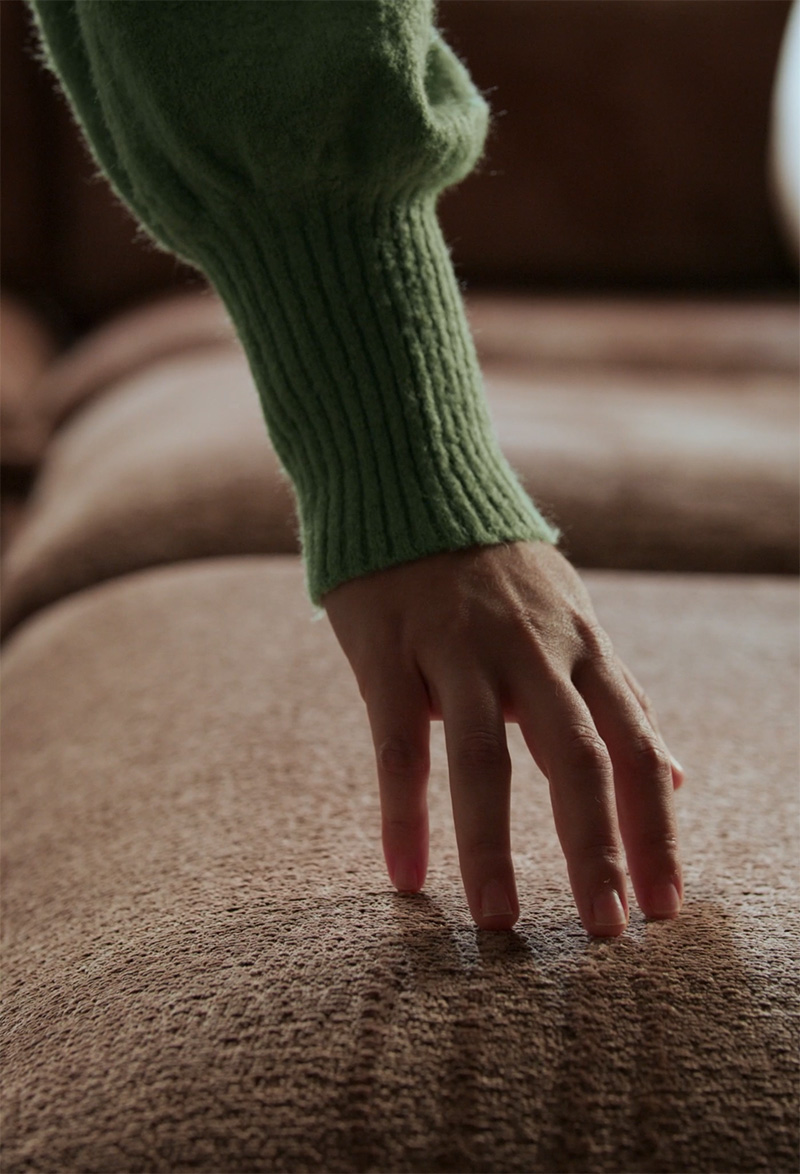
What’s inside your couch cushions largely decides how comfortable it feels and how long that comfort lasts.
High density foam gives the best support. Good foam keeps shape and support through years of daily use without flattening like low-quality alternatives.
Foam wrapped in fiber adds softness. Putting together firm foam cores with softer fiber wrapping makes the perfect mix of support and surface softness.
Low quality foam loses its shape fast, leaving couches uncomfortable after just a few months of normal use.
Anabei’s cushions combine high-resilience foam with a cosmetic down duvet comfort layer for a soft, inviting feel that lasts. This construction helps the cushions maintain their shape and comfort through daily use.
Frame Building for Long Time Comfort
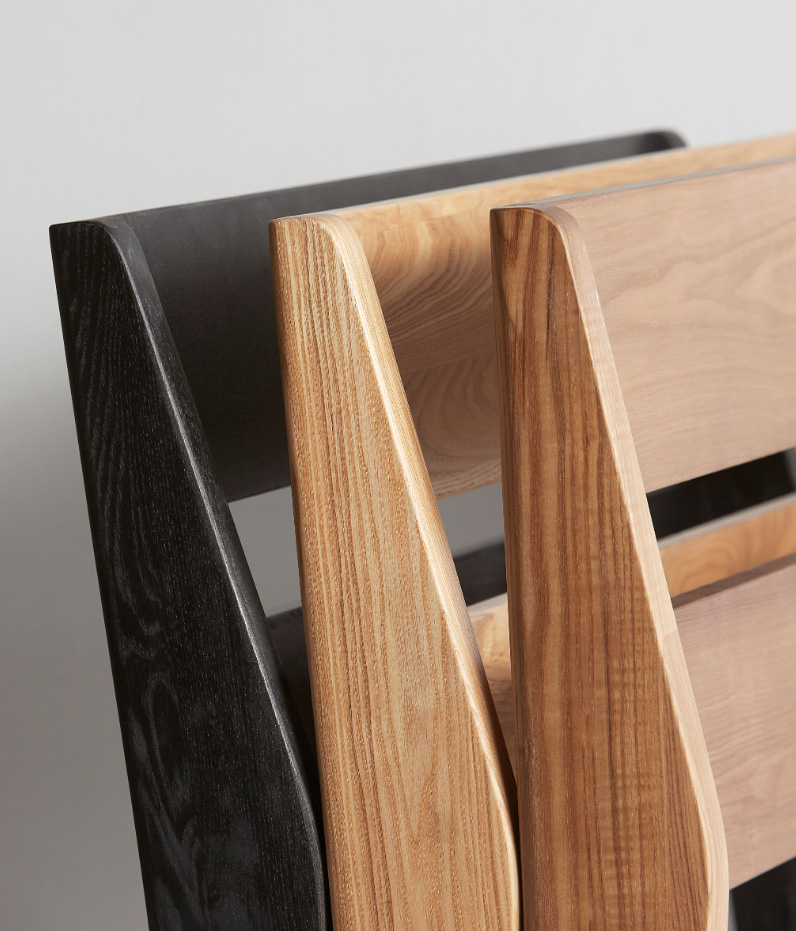
The frame underneath a couch affects comfort more than most people realize.
High-quality hardwood or steel frames remain stable and quiet, preventing creaks while keeping cushions supported.
The support system plays a major role in a sofa's longevity. Well-designed support distributes weight evenly, helping prevent sagging and maintain consistent comfort.
Strong corners stay tough. Corner blocks and reinforced joints keep frames from getting loose and wobbly over time.
Cheap frames can break easily. Particle boards and stapled buildings break down quickly, causing discomfort as frames get weak and fall apart.
Floyd and Inside Weather both use good engineered wood frames with right support, making sure sectionals stay comfortable through years of daily use.




The Importance of Seat Depth and Height
Getting sizes right really changes how comfortable couches feel in real use.
Standard seat depth is 20 to 22 inches. This works for sitting up, but it limits lounging comfort a lot.
Deep seats are 22 to 24+ inches. Extra depth lets you really relax and get comfortable in ways standard depths don't allow. 7th Avenue calls their modular sofa the deepest in the market, perfect for people who really like to lounge.
Seat height changes ease of use. Heights of 17 to 19 inches from floor to seat work well for most people, making sitting down and standing up comfortable and easy.
Too deep can be uncomfortable. While deep seats feel great for lounging, really deep seats make sitting upright weird if your feet don't touch the floor.
Think about how you'll really use the couch. Movie watching and relaxing? Go deep. Formal sitting? Standard depth works fine.
Fabric Comfort and Care
Choice of fabric can impact both how couches feel and how comfortable they are over time.
Soft fabrics feel better on skin. Velvet, microfiber, and high-quality weaves feel cozy and gentle, unlike stiff or cheap materials that can irritate.
Breathable fabrics keep you cool. You want fabrics that breathe so you don’t sweat and get uncomfortable which makes lounging for hours still enjoyable.
Washable fabrics keep freshness. Machine washable covers like Lovesac's, Inside Weather, Anabei, Diorama make it easy to keep couches clean, soft, and inviting for years.
Stain fighting treatments cut stress. Not worrying all the time about spills makes couches way more comfortable to really use and enjoy without worry.
Most Comfortable Outdoor Sectionals
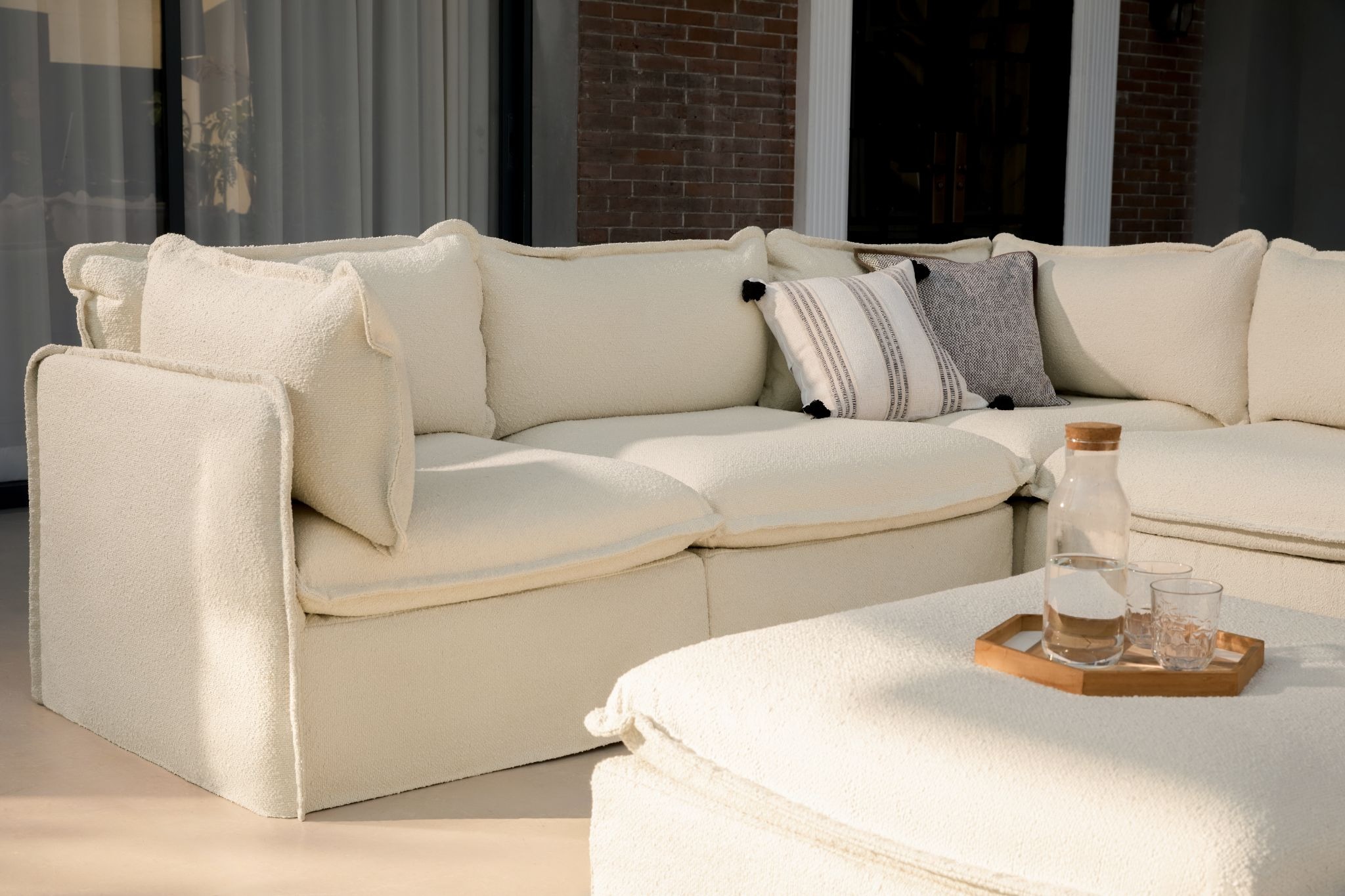
Outdoor sectionals need comfort features designed specifically for life outside, not just indoor sofas moved outdoors.
Weather fighting cushions stay comfortable. Thoughtfully designed outdoor cushions fight moisture and mildew that would make indoor cushions uncomfortable and gross quickly.
Quick dry fabrics stop dampness. Performance fabrics dry fast after rain, keeping seating usable without sitting on soggy cushions for days.
Sun fighting materials keep their softness. Fabrics that fight sun damage stay soft instead of getting stiff and uncomfortable over time from constant sun.
Chicory’s outdoor sectionals mix the deep, comfy seating you’d find in a high-end indoor sofa with weather-resistant materials suited for outdoor living. With machine-washable fabrics, upkeep is a breeze, keeping your sofa looking fresh through daily use and seasonal changes.
Testing Comfort Before Buying
Comfort is subjective, so testing a sofa before purchasing can help you make a more confident decision.
Sit for at least 10 minutes. First impressions don't show how couches feel after sitting for a long time.
Try different positions. Sit up, lounge back, curl up sideways. Test how the couch works for different activities you'll do daily.
Bring family members. Different body types feel comfort differently. Everyone who'll use the couch should test it first.
Check arm comfort. The right arm height supports relaxed positioning without forcing your shoulders up or letting your arms hang awkwardly, keeping you comfortable for a long period of time.
Check that it’s easy to get up from the sofa by sitting down and standing up again. This is very important for older members of the family or those who use the couch regularly, ensuring everyday use is easy.
Why These Brands Care About Comfort
Lovesac, Inside Weather, Anabei, and Diorama make design choices that put real comfort over just trendy looks.
Extra deep seating gives real comfort. Deep sizes in all these brands allow real lounging instead of just perching.
Quality foam maintains comfort. High-density foam keeps cushions from going flat, maintaining support and comfort over years of daily use.
Machine-washable covers and layers make it easy to keep sofas fresh, so comfort lasts instead of deteriorating with wear.
Modular flexibility changes with needs. Moving sections around means making comfort work best for how spaces really get used in real life.
Understanding what really makes a sofa comfortable means looking beyond how it feels at first sit, and focusing on build quality, cushion design, and the features that keep it consistently comfortable through real, daily life.
FAQs
1. What makes a couch truly comfortable?
A comfy couch has supportive cushions, the right seat depth, a sturdy frame, and soft yet durable upholstery. Comfort comes from a balance of softness and support, not just plushness.
2. Is firm or soft better for couch comfort?
It depends on preference. Softer couches feel cozy for lounging, while firmer couches offer better posture support and long-term comfort.
3. How do seat depth and height affect comfort?
Deeper seats are great for relaxing and stretching out. Standard-depth seats work better for upright sitting and shorter users.
4. What materials make a couch more comfortable?
High-density foam, memory foam, feather blends, and soft performance fabrics improve comfort. Breathable fabrics also help keep seating cool and cozy.


